
Inter-island freight options
How to move freight across Cook Strait — coastal containers, RoRo, rail, road and ferry compared.
Moving freight between the North and South Islands is one of New Zealand's fundamental logistics problems. There is no road bridge — every load crosses Cook Strait somehow. The four main options each have a sweet spot.
1. Coastal container shipping
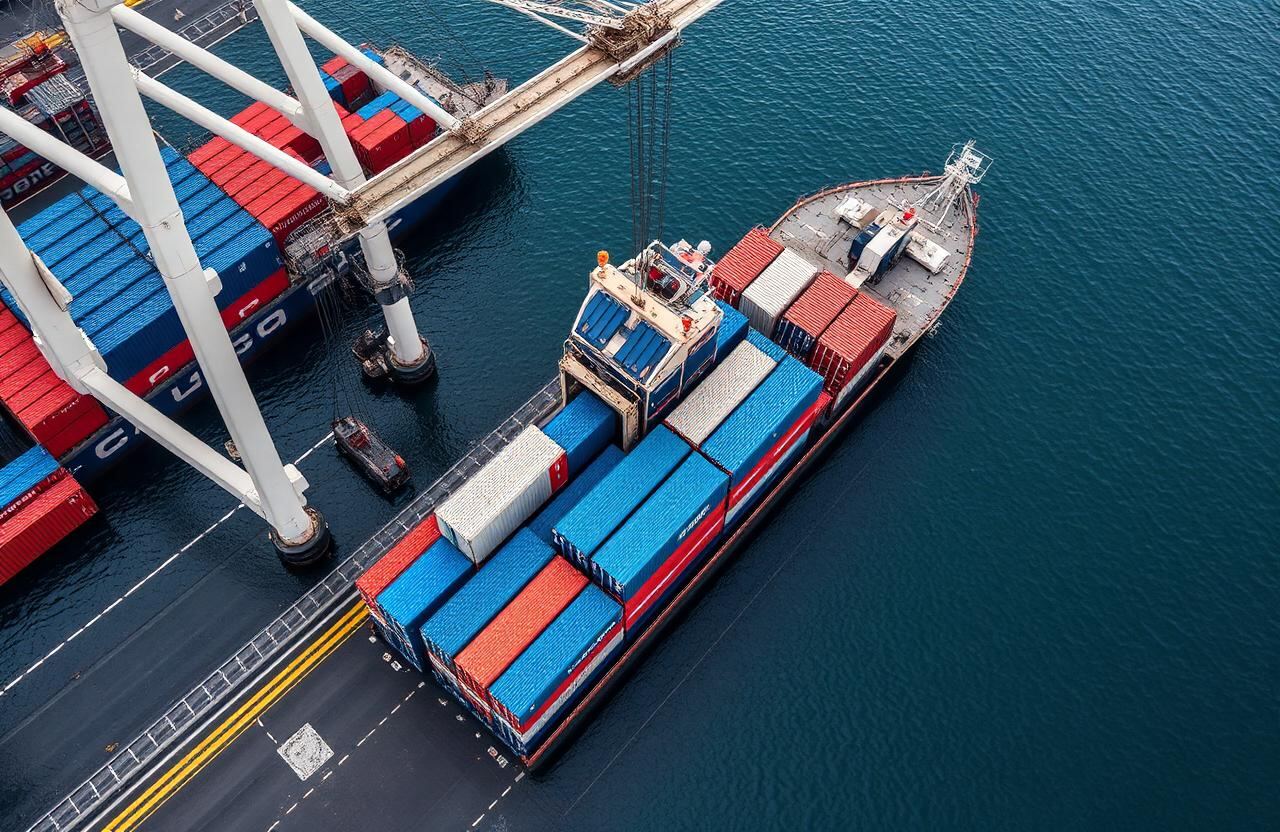
FCL or LCL containers loaded at port, carried on coastal vessels (Auckland → Lyttelton, Tauranga → Nelson, Wellington → Lyttelton and others), then road or rail line-haul to destination. Best for FCL volumes, reefer, hazardous and anything where chain of custody matters. Usually the most cost-effective for full-container loads.
2. Coastal RoRo for vehicles and machinery
Mobile cargo — cars, vans, trailers, mobile plant — drives on at one end and off at the other. Fast loading, low handling damage, and typically cheaper per unit than putting the same cargo in a container.
3. Road + Cook Strait ferry
Trucks drive onto the Interislander or Bluebridge ferry at Wellington or Picton. Best for time-sensitive freight, smaller loads, and where the truck and driver stay with the cargo. Can be limited by ferry capacity, especially in peak periods.
4. Rail + ferry
Rail wagons cross the strait on KiwiRail's rail-enabled ferries, then continue on rail at the other end. Strong for heavy and bulk cargo, palletised freight and full container loads — particularly between Auckland/Hamilton/Palmerston North and Christchurch/Dunedin.
How we choose
For each shipment we look at cargo type, weight and dimensions, urgency, and budget — then quote across the methods that make sense. Often the cheapest answer is a coastal sailing past Wellington altogether (Auckland → Lyttelton, for example) rather than the ferry route everyone assumes is the default.
Crossing Cook Strait?
Tell us your cargo and dates — we'll quote the most cost-effective option.