
RoRo vs break-bulk shipping
A practical guide to choosing the right shipping method for vehicles, machinery and oversize cargo.
When you ship a vehicle, a piece of heavy machinery or an oversize cargo, two of the most common options are RoRo (roll-on/roll-off) and break-bulk. They look similar at first — both move large rolling or lifted cargo on dedicated vessels — but they suit different cargo types, budgets and timelines.
This guide walks through the practical differences and when each one is the right choice.
What is RoRo shipping?
RoRo (roll-on/roll-off) is a shipping method where wheeled or tracked cargo is driven directly onto a specialised vessel via a stern or side ramp, secured to the deck for the voyage, then driven off at the destination port. RoRo vessels are purpose-built — multiple decks of fixed lashing points, drive-through ramps, and high clearance.
RoRo is the go-to method for cars, vans, trucks, trailers, motorhomes, tractors, mobile machinery, boats on trailers, and most other rolling cargo. Loading is fast, handling damage is rare, and pricing is usually lower per unit than container or break-bulk for the same item.
What is break-bulk shipping?
Break-bulk is the term for cargo that is loaded individually — typically lifted by crane onto the deck or into the hold of a multi-purpose vessel — rather than rolled on or packed in a container. Each item is lashed and stowed by the stevedores.
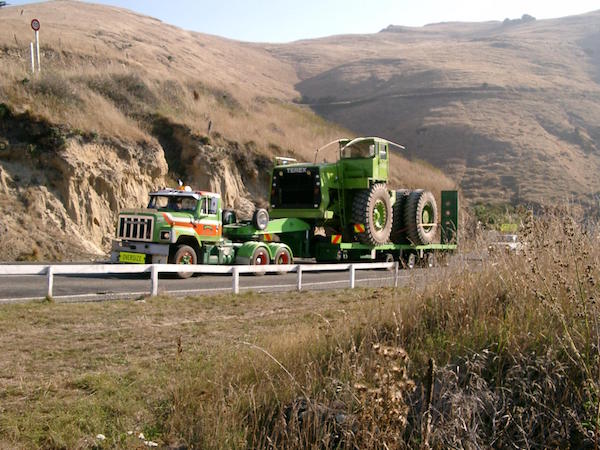
Break-bulk is used for cargo that is too heavy, too tall or too oddly shaped for RoRo or containers — large tracked excavators with the cab raised, mining trucks, transformers, processing plant, structural steel, yachts, modular buildings and similar oversize freight.
When to choose RoRo
- Cargo that drives, rolls or can be towed.
- Cars, light commercials, trailers, motorhomes, mobile plant.
- Volumes where the lower per-unit cost matters.
- Frequent regular sailings — RoRo schedules are dense on most lanes.
When to choose break-bulk
- Cargo that exceeds RoRo deck height or weight limits.
- Tracked machinery that cannot be safely driven onto a deck.
- Project cargo, oversized plant, yachts on cradles.
- Where flexibility on lashing and stowage matters more than speed.
How we help you decide
Because we are independent — not tied to one shipping line — we look at your specific cargo, dimensions, lane and timing, then quote you across both options where it makes sense. Often the right answer is a blend: RoRo for the bulk of a fleet plus break-bulk for the one oversize item.
Not sure which method fits your cargo?
Send us your dimensions and lane — we'll quote both options where it makes sense.