
Trans-Tasman shipping guide
What you need to know to ship freight between New Zealand and Australia — methods, paperwork, biosecurity and timing.
Shipping between New Zealand and Australia is one of the busiest freight lanes in the southern hemisphere. It is also one of the most regulated — strict biosecurity, customs clearance both ends, and a mix of container, RoRo and break-bulk options. This guide walks through the practical decisions for first-time and experienced shippers alike.
Choosing the method
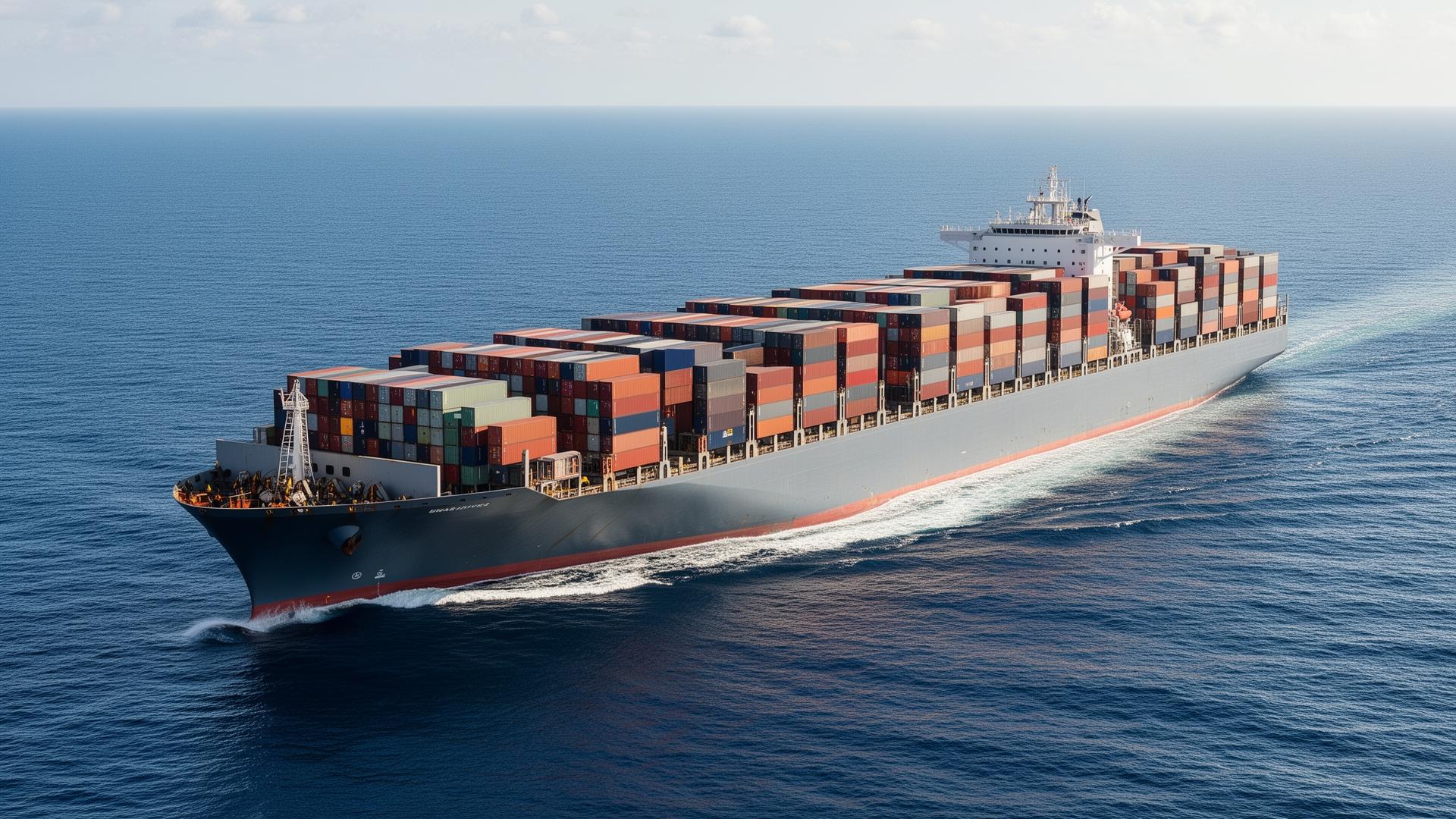
Containers (FCL/LCL) are the default for general cargo, palletised goods, hazardous goods, reefer and personal effects. RoRo handles vehicles, mobile machinery and trailered boats. Break-bulk takes oversize plant, modular structures and yachts. The right choice depends on dimensions, value, urgency and budget — we usually quote across two methods where it makes commercial sense.
Customs clearance
Both NZ and Australia require formal customs entries for commercial freight. You'll need a commercial invoice, packing list, bill of lading, and tariff classification. We coordinate the customs broker either side as part of the booking.
MPI and DAFF biosecurity
Australia's DAFF (Department of Agriculture, Fisheries and Forestry) and New Zealand's MPI (Ministry for Primary Industries) both inspect incoming freight. Vehicles, machinery, used items and timber are high-risk — they typically need to be steam-cleaned at origin and may be inspected at the destination port. Plan an extra 1–3 days for biosecurity processing.
Timing
Container sailings run weekly between most major NZ and Australian ports. Typical port-to-port transit is 5–10 days depending on lane. RoRo schedules are less frequent — plan 2–3 weeks ahead for a vehicle or machine. Add customs and biosecurity buffer at the destination.
Insurance
Marine transit insurance is optional but strongly recommended — particularly for vehicles, machinery and high-value cargo. Cover sits on top of the carrier's limited liability and pays the declared value if cargo is lost or damaged.
Planning a trans-Tasman shipment?
Tell us what's moving and which way — we'll come back with options and costs.